The Incarcerated Intellectual: A Time To Grow
Our childhood traumas form our behavior. Is it time to grow a society that takes those traumas into account?
Interviewing someone in prison as a prisoner yourself is very difficult to describe. Imagine being a reflection of someone else and having an out of body experience as you see yourself as that other person's reflection.
Prison is visceral; an instinctual and primitive place. The atmosphere is manic, brimming with hand signs, gang signs and the endless hysteria of a bizarre microcosm of American society. It's a grotesque imitation of the trauma that lives inside of every individual here.
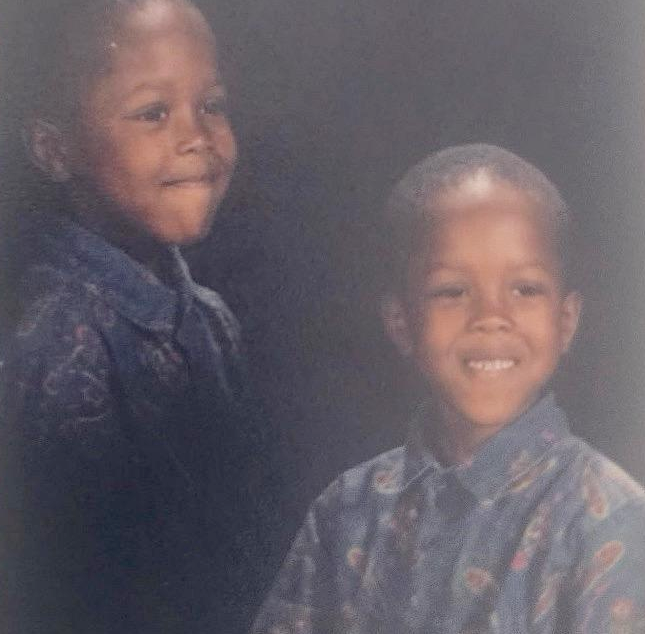
This is the setting Kenneth Sutton and I are in as we unravel his story, a captivating and harrowing journey that ends in hope and redemption. Ken's story begins with him in the 2nd grade, hiding from the Child Protective Services worker who is looking for him because he missed school. They would come several more times because his mother had been absent from the home for more than two weeks.
When his mother came home to find the notices they left, she beat Ken severely and accused him of snitching her out to the cops.
By the time Ken was in middle school, he'd been homeless, arrested for stealing food and had witnessed his mother cut her wrists in a suicide attempt. As his mother bled, he asked her if she was mad at him, because he believed it was somehow his fault that she was cutting herself.
At 21 Ken was arrested and sentenced to 70 consecutive years in prison for a shooting at a downtown club that tragically took another man's life. As he concludes his story, he tells me he holds himself accountable for his past actions by being accountable in his actions today.
One of the ways he focuses on accountability is by being a peer support mentor inside the intense management unit (IMU). There, he patiently helps individuals confront their psychological trauma from childhood abuse and neglect.
He supports others, identifies what contributed to their unhealthy behavior and encourages them to engage in their long-term healing. Ken isn't just asking for change, he is personifying it.
As I look back on Ken's life, I wonder how society would change its approach to criminal statutes if we viewed behavior as a response to adverse childhood experiences (ACE'S) instead of moral deficiencies?
If society took a human approach to criminal statutes, one thing we'd see is the abolishment of the Persistent Offender Accountability Act, known as the “three strikes” law, which is essentially a death by prison sentence. This law disproportionately impacts men and women who committed their first felonies as youthful offenders, as explained in "Justice is Not a Game: The devastating racial inequity of Washington's Three Strikes Law" by the Civil Rights Clinic at Seattle University School of Law and the Fred T. Korematsu Center for Law and Equality.
It is my belief that society should change laws that no longer reflect the contemporary scientific understandings of human behavior, and instead should enact laws that acknowledge conduct that has been strongly influenced by childhood trauma, poverty, addiction and neurological impairment.
One solution is having mental health sentencing alternatives for repeat offenders with documented ACE scores of 7 and higher, mandating them to enroll in evidence based trauma informed care programs that focus on neuroscience, developmental psychopathology and interpersonal neurobiology.
Lawmakers should question the moral principles they employ when governing the balance between an individual's culpability and scientific explanations of behavior.
This hits close to home for me. My experience with trauma has been catastrophic, and I didn't find out about trauma informed care until I was in my 30’s. As I started connecting the dots between unhealthy behaviors and trauma triggers, a light came on and I was able to use this information to begin healing emotionally and mentally.
It ain't just me; I saw a 6'8" 270lb man named Kevin Monday transform into a gentle giant. As cell mates for a year, we talked about childhood trauma, abuse and neglect. We talked at great lengths about what trauma cost us as children. We spoke of accountability and culpability.
We found common ground in understanding how we ended up in prison. We often reminded others, including staff members that we're not inmates, we're human beings. He's an inspiration and a friend. I've seen what trauma informed care can do because I personally witness it everyday, even against all odds there is compassion and human recognition.
I've personally seen the compounding benefits of people being at least aware of their ACE scores. I can testify to people, including myself, who understand how healing talking about and developing ways of dealing with childhood trauma truly is.
Three Fridays a month we sit in a group called the Black Prisoners Caucus and talk about our childhood experiences, just talking about them makes us feel seen, and it instantly decreases the tension in our bodies.
Together we can address crime without burying human beings alive behind bars. Healing the people in it, one heart and one mind at a time.
To get this column to Beacon readers, we edit Avery Loring's writing through messages on the prison messaging system and occasionally speak on the phone. Our justice reporting wouldn't be the same without Avery's contribution.