Problem Pinnipeds Receive Congressional Hearing
H.R. 9621, co-sponsored by Representative Emily Randall, would expand the lethal removal of seals and seal lions to protect salmon and other endangered fish.

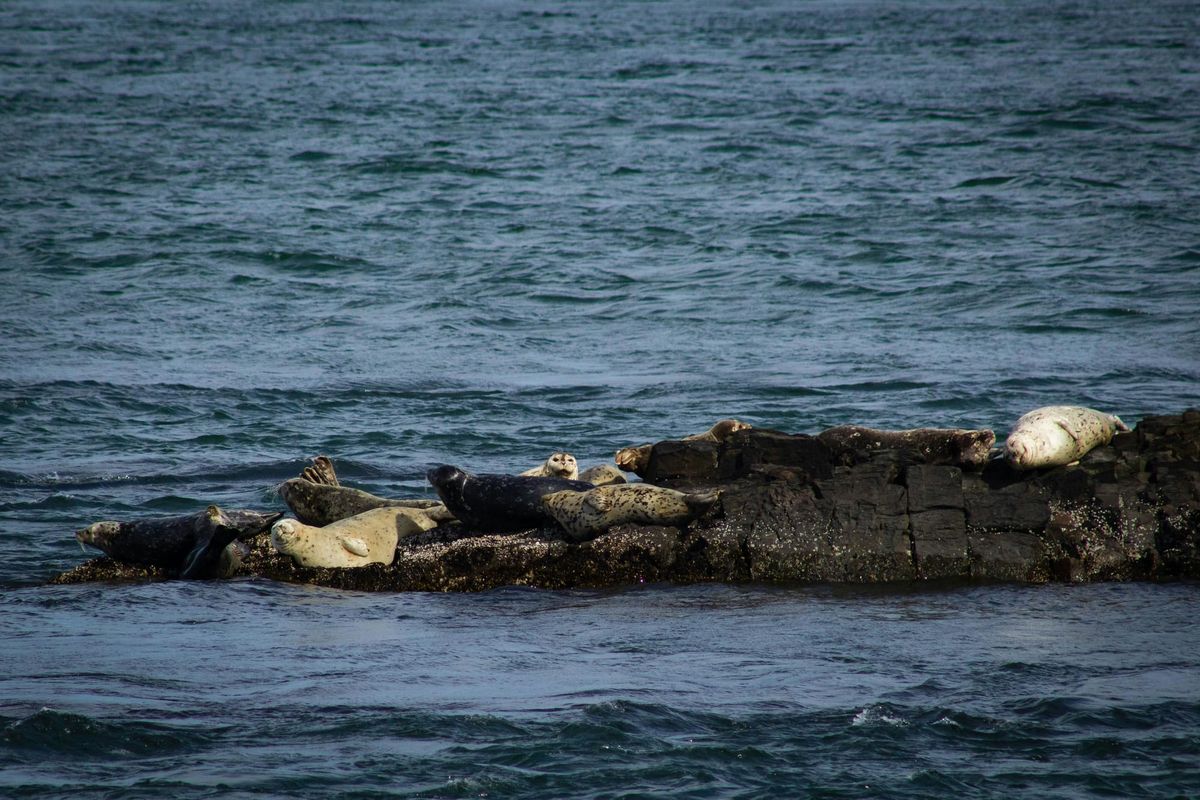
When the Marine Mammal Protection Act (MMPA) was first introduced in 1972, pinnipeds were in a sorry state. Pinniped, meaning fin- or flipper-footed, broadly refers to the group of marine mammals, including seals and sea lions, that have both front and rear flippers and live mostly in the water but are able to come ashore for long periods of time. The MMPA put a moratorium on the hunting and killing of marine mammals and was the first legislation to mandate an ecosystem-based approach, considering both population numbers and the species’ role in maintaining a healthy, stable environment.
From the pinniped perspective, the MMPA is a resounding conservation success story. Seals and sea lions up and down the west coast are no longer on the brink of extinction. According to the Northwest Indian Fisheries Commission, the California sea lion population along the west coast has grown from 50,000 to 300,000 since 1975 and some populations of Stellar sea lions have risen from 15,000 to 43,000 since 1982. In the Columbia River basin there were 500 California sea lions a decade ago; today there are 4,000.
On the flip side, the fish they prey on have a different story to tell. On Washington’s coast alone, sea lions consumed over 2 million young Chinook salmon in 2021. Seals and sea lions are now found further inland than ever before, following spring smelt runs and posting up at hotspots such as dams and bridges that act as corrals for the fish and easy hunting for the pinnipeds. And they are smart, too. National Oceanic and Atmospheric Administration (NOAA) studies have found that pinnipeds return to their favorite hotspots and learn fishing techniques from each other, inflicting maximum damage on salmonid populations in both the ocean and freshwaters.
In July, two Washington lawmakers, Michael Baumgartner (R-WA-5) and Emily Randall (D-WA-6), introduced H.R. 9621, the Northwest Endangered Salmon Predation Prevention Act of 2026, to tackle this specific issue. A noted bipartisan effort, and supported by the Columbia River Intertribal Fish Commission (CRITFC) and the Northwest Indian Fisheries Commission (NWIFC), H.R. 9621 would amend the MMPA to allow for a new five-year permit system for lethal removal in Washington waters. It would also expand management in the Columbia River basin and provide investment for non-lethal deterrence technologies.
“The treaty tribes have been sounding the alarm for decades about the need to manage outsized populations of pinnipeds,” said Ed Johnstone, chairman of the NWIFC, in a press release from Baumgartner’s office. “This proposed legislation closes a policy gap between the MMPA and Endangered Species Act. Allowing pinniped predators to drive down the populations of threatened salmon is inconsistent with the expressed intention of the federal laws.”
In a phone call, Cecilia Gobin, Conservation Policy Analyst with the NWIFC, discussed how increased pinniped populations have grown beyond the carrying capacity of the land and are leading to imbalances in marine ecosystems. While the MMPA helped pinniped populations recover, they are now putting ecologically and culturally significant fish at risk, undermining the MMPA’s ground-breaking focus on ecosystem-level management.
She said H.R. 9621 would allow for tribes and wildlife managers to respond in real time and provide for adaptive management, bringing pinniped populations at these hotspots back in balance and allowing for safer passage of threatened fish species, including Puget Sound Chinook and Puget Sound Steelhead.
Past amendments of the MMPA offer clues to the potential for real change this could bring to the tributaries of Washington state. Beginning in 2020, under Section 120(f), Congress authorized Washington, Oregon, and Idaho to lethally remove individual predatory California sea lions threatening the recovery of salmon and steelhead in the vicinity of Bonneville Dam and Willamette Falls.
In follow-up questions to his congressional testimony, Nate Pamplin, Director of External Affairs for the Washington Department of Fish and Wildlife, wrote that sea lion abundance at Bonneville Dam is declining and an estimated tens of thousands of salmon have been saved as a result.
At Willamette Falls, 26 miles upstream from the Willamette River’s confluence with the Columbia, Endangered Species Act-listed winter steelhead are the beneficiaries. Before permitted, targeted removals, their population faced an 89 percent risk of extinction; after, the risk had dropped to just 11 percent.
For tribal and state fisheries managers, H.R. 9621 is a chance to expand pinniped management beyond these two successful, yet very localized, examples. The bill allows for lethal take up to 10 percent of the potential biological removal level of the species. Pamplin estimated that for the harbor seal population in Washington’s inside waters this would be about 1,800 animals total.
The vast majority of pinnipeds swimming upstream and dining on salmon and other fish are males, which means females and seal pups are unlikely to be killed. In addition to expanding geographic locations beyond those in Section 120(f), the bill would expand how problem pinnipeds can be lethally removed, to include firearms by professional staff of the eligible entities.
Right now, lethal removal means animals are trapped and then transported to a different location where chemical euthanasia is administered, no small feat for animals that can weigh up to 2,000 pounds. Due to the use of chemicals, the bodies aren’t fit for human consumption and ultimately wind up at a rendering plant. A different method would allow tribes the option to use the carcasses for ceremonial and subsistence purposes.
“This legislation will add another tool in the toolbox for Tribal and state partners to help protect endangered keystone species, including Chinook salmon and Southern Resident Orcas,” Randall said in a press release. “The bill includes critical guardrails to manage pinniped populations as humanely as possible . . . and permits will be suspended if they are no longer necessary to protect salmon species.”
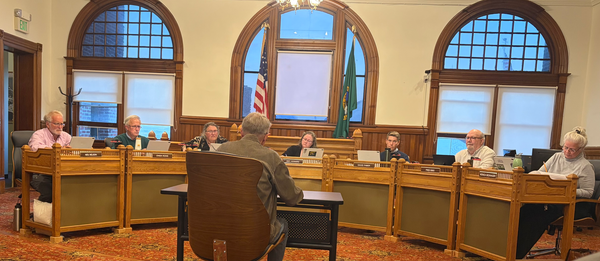
On July 21, H.R. 9621 received a hearing before the House subcommittee on Water, Wildlife, and Fisheries. Chair Harriet Hageman (R-WY) worried that the hundreds of millions of dollars invested in salmon recovery could be wasted if congress doesn’t take the opportunity to act. Paul Ward, Federal Government Relations Director of the CRITFC, warned against the loss of investments in salmon without concentrated action on the pinniped issue. Treaty protected fishing rights are also at risk if salmon numbers dwindle beyond recovery. In response to questioning, Dr. Timothy R. Petty, deputy NOAA administrator, said pinniped predation is worth addressing now, while also focusing on longer term habitat restoration.
Skeptics of the bill have focused on the possibility of H.R. 9621 creating even greater ecosystem imbalance through human intervention, as well as skepticism over the role that pinnipeds truly play in the larger salmon recovery puzzle. Conservationists argue that, as pinnipeds also eat larger fish that eat salmon, like hake, their removal might alter food-web dynamics in a way that would be detrimental to salmon and steelhead.
Even though permitted killing would be restricted to professional staff, there’s also significant concern this would lead to an increase in rogue killing of seals and sea lions. “It’s not uncommon for us to see animals that have been shot,” said Casey Mclean, executive director and veterinary nurse at SR3 Sealife Response + Rehab + Research, in an interview with KUOW. She believes this is related to the misinformation surrounding pinniped populations as changes to the MMPA are discussed. In early July, a harbor seal pup was shot and killed near Bellingham; in February a harbor seal with a gunshot wound was found on a dock in Quilcene Bay.
Questions also remain over the role commercial fishing plays in declining salmon and steelhead numbers, a crucial $1.6 billion element of Washington’s economy. Salmon populations have been threatened since the late 1800s when fishing and canning took off, unregulated.
Earlier this year, the Pacific Salmon Coalition released new data, thanks to an updated accounting method, suggesting that ocean fisheries have killed thousands more ESA-listed fish than previously reported. They found that over 60 percent of returning adult Chinook salmon were intercepted in Alaska and British Columbia before reaching the Puget Sound. And of course, there’s the fact that hotspots like dams and bridges represent the kind of development that has led to habitat loss, which researchers say is the biggest ongoing threat to endangered marine species.
Still, for Gobin and the twenty western Washington tribes represented by the NWIFC, the science points toward action on pinniped predation, and the sooner the better. “This issue has been a priority for decades now,” she said. “It’s been a growing pressure that the tribes have been witnessing firsthand across their watersheds. It’s always been a piece of the puzzle that we’ve needed to be more actively engaged.”