Superior Criminal Court August 7, 2026: Managing the Flow of People’s Lives
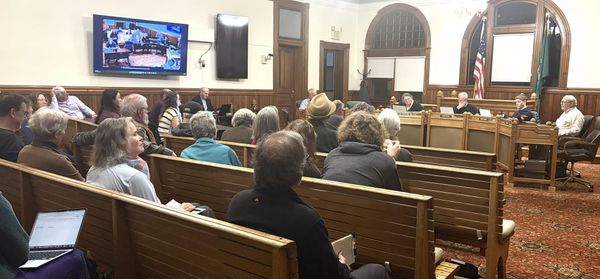
The Jefferson County courts are a workplace with a variety of roles in the legal process.

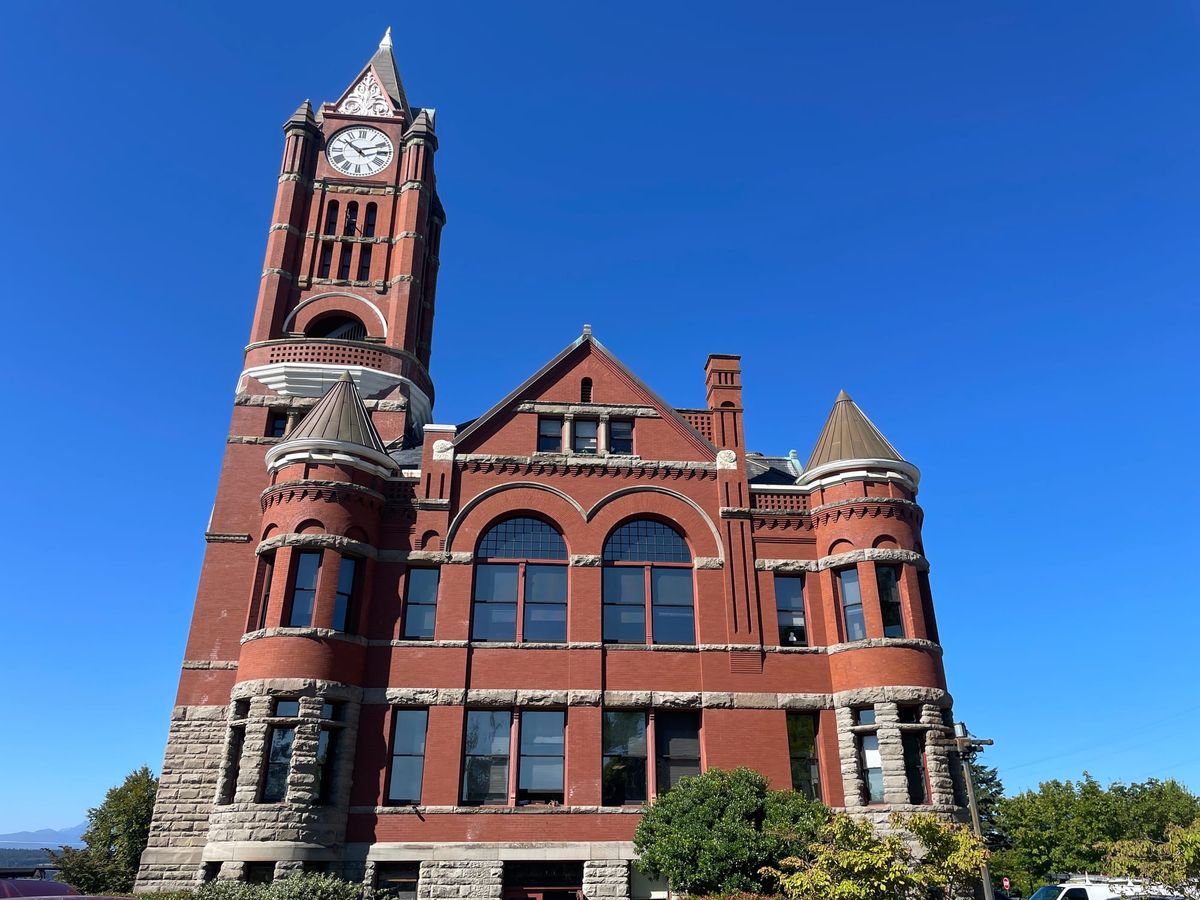
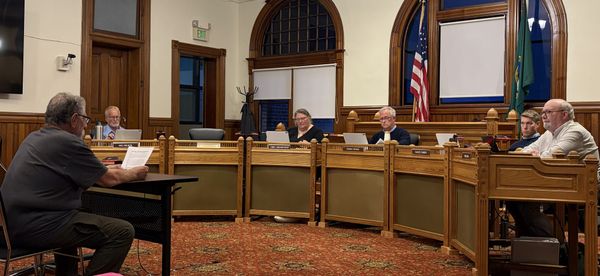
JEFFERSON COUNTY, WA — There were no arraignments in Superior Criminal Court on August 7. It was a short docket that moved quickly, reminding us that though there can be heavy matter in the room, it is also a regular work day in the courthouse.
The need to balance empathy and strategy is crucial for the many employees who keep the legal system flowing. Responsibilities are split between elected offices, independent non-profits, and state-funded offices with positions ranging from clerks, bailiffs, victims advocates, prosecuting attorneys, public defense, judges, investigators, commissioners and jury coordinators.
Keeping things flowing is not only a benefit for those that work in the legal system, but a maintenance of rights for those facing accusations to have access to information and a trial in an effective manner.
Updates:
Tove Cooke’s omnibus files were entered and his next hearing date is set for August 21 where more information will be shared on the jail’s capacity to support his health needs.
Andrew Gaikowski was not present at his motion hearing to set restitution for items stolen from the courthouse on August 15, 2025, including tasers, body cameras, and the keys to a 2011 Ford Crown Victoria. He is currently out of custody, and a summons was issued for his appearance.
Scott Stone will have a review hearing on August 28, after he completes his competency evaluation at Western State. Prosecuting attorney Jeff Chalfant spoke in favor of transferring Stone to Western State Hospital for the evaluation.
His defense counsel, Lillian Powers, asked the court to strike the previously entered competency evaluation to avoid confusion at Western State. Judge Mack then proposed Stone receive credit for this time in custody currently being served for his district court case in case he is convicted, with a nominal bail of $500.
Stone requested the court look into 103 days of credit for his time served in Clallam County without trial. Judge Mack explained there is nothing he can do out of his jurisdiction, and the matter must be taken up with Clallam County.
Andrew Hovde is currently in negotiations with the state and is expecting an agreement on a reduction of charges or a stipulated order of continuance, meaning there will be a pause in sentencing if he complies with state conditions for a set amount of time. He waived his speedy trial rights and set his pretrial hearing over two weeks to August 21, with a new trial date set for the week of August 25.
Robert Lytle, represented by Julian St. Marie, asked for a continuance to September 11 for a pretrial hearing in order to do more research.
Heather Woodley was not present for her review hearing, as she was attending inpatient care. Her defense counsel Lillian Powers presented a letter of compliance from Jamestown for Woodley’s detox and attendance for inpatient. Her next review is set for September 11.
Steve Redhead was not present for his motion to forfeit his firearms and a summons was issued for his appearance. However his attorney, Scott Charlton, reported that he had attended Behavioral Health Court.
Daniel Soliz was not expected to be present according to his counsel, Scott Charlton. The order for forfeiture of firearms was submitted.
Why we are reporting on this:
Our goal is to bring transparency to the Jefferson County legal system. We believe understanding the court system helps highlight what needs to be fixed, as well as what types of support are available within the criminal justice system. It’s hard to change what you can’t see, and we believe that transparency will bring the kinds of accountability needed.
We also intend this work as an effort to keep the community together when the criminal justice system and stigma isolate individuals disproportionately affected by poverty and oppression.
Where we get our information from:
Our reporter attends Superior Court, and follows up with the legal representation or the judge if anything is unclear.
Our approach to covering the court system:
We follow court cases from arraignment to sentencing, paying special attention to the programs that help the accused find ways to improve their lives and to the places where the legal system fails those whose criminal behavior is the result of unaddressed external issues, such as poverty or abuse.