When a Community Pays Attention
Local journalism helps democracy begin close to home.

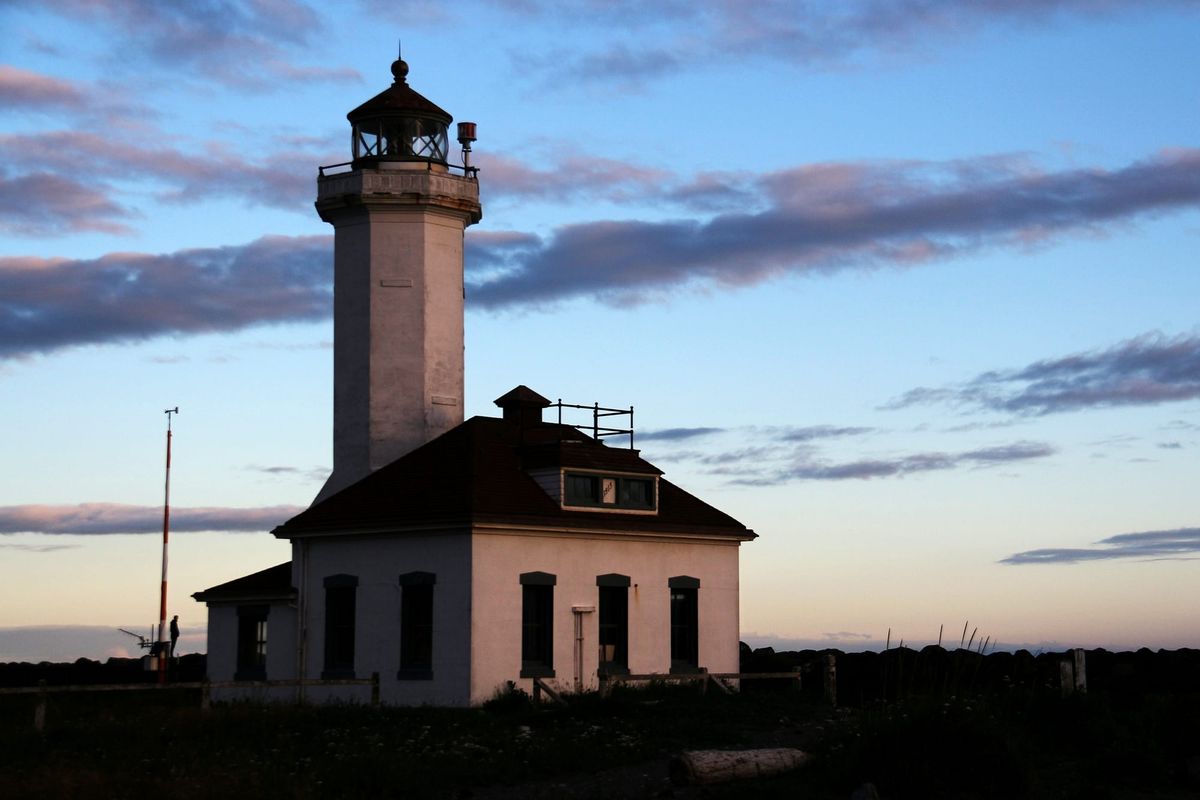
By Gary B. Larson
Guest editing this issue gave me a good excuse to look back at some of the Beacon’s strongest work so far this year.
The articles I chose do not look alike. But they share a few common themes: community attention, public accountability, belonging, engagement and the search for ways forward.
One deals with immigration enforcement fears. One with restorative justice. One with parks and recreation cuts. One with public records. One with a different kind of council meeting. And one with cultural conflict at the Victorian Festival.
They are not the same kind of story. But they do the same kind of civic work. Local journalism turns “something happened” into “what does this mean for us?”
That’s especially important in an election year like this one. But democracy isn’t all about voting. It begins when people care enough to learn about the issues facing a community and then care enough to respond.
Local journalism matters because it helps a community pay attention to itself. It shows us who is affected by public decisions, where systems are working or failing, how neighbors are responding, and what choices are still open to us.
At its best, local journalism does not leave readers as spectators. It gives them the information they need to understand, question, care and act.
News often begins with crisis or controversy. But it should not end there. The Beacon tries to practice solutions journalism by looking for causes, context, accountability and ways forward.
That does not mean avoiding conflict or pretending every problem has an easy answer. It means asking better questions: What happened? Why did it happen? Who was affected? What has been tried? What might help?
Engagement is more than public comments
Not all the articles I selected are about engagement in the same way. That’s not surprising. They show various kinds:
Neighbors preparing for uncertainty: Scott’s January article about possible ICE activity on the Quimper Peninsula showed community concern before a crisis fully arrives. Local journalism can help people prepare, not just react.
 Scott France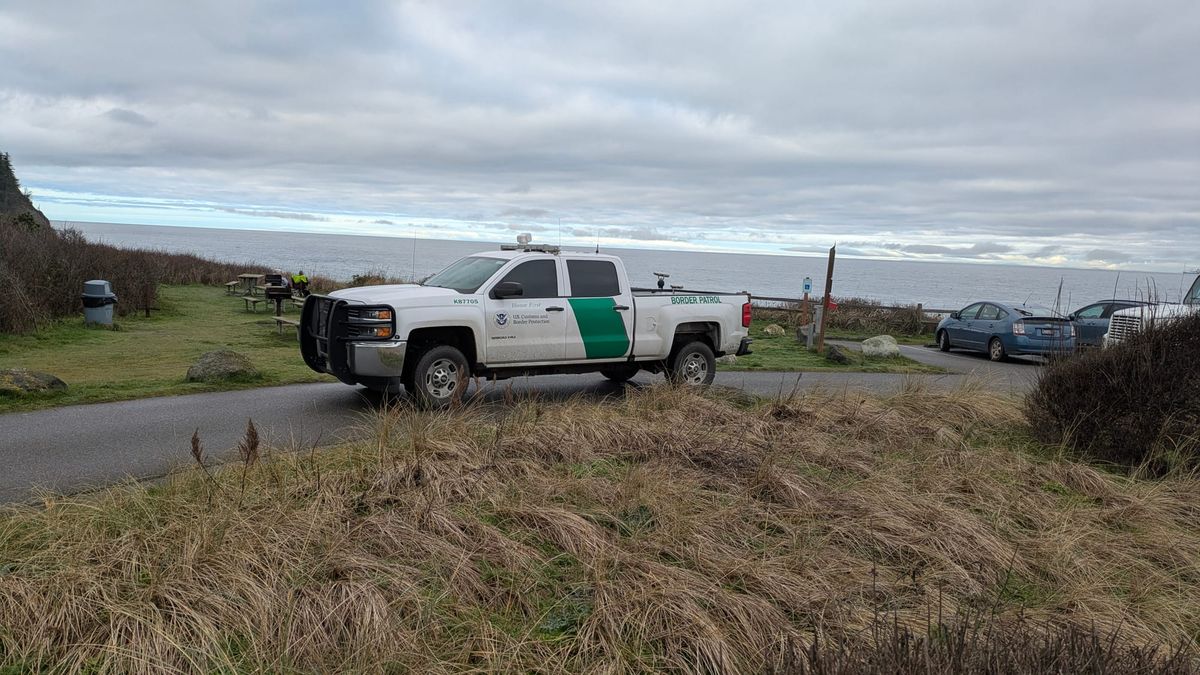
Justice as explanation, not just punishment: Angela’s March article about restorative justice showed accountability as more than punishment. It explained a process built around repair, dialogue and responsibility.
 Angela Michelle Downs
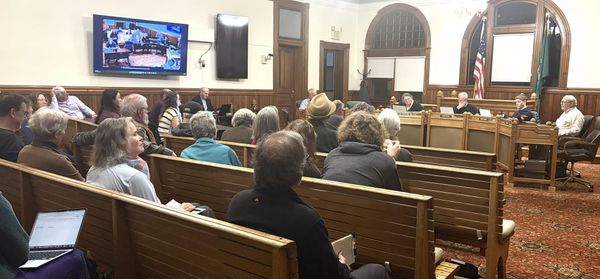
Residents showing up: Rachael’s March article about proposed parks and recreation cuts showed public engagement in motion. People filled the room, lined the hallway and watched online because a public decision directly touched community life.
 Rachael Nutting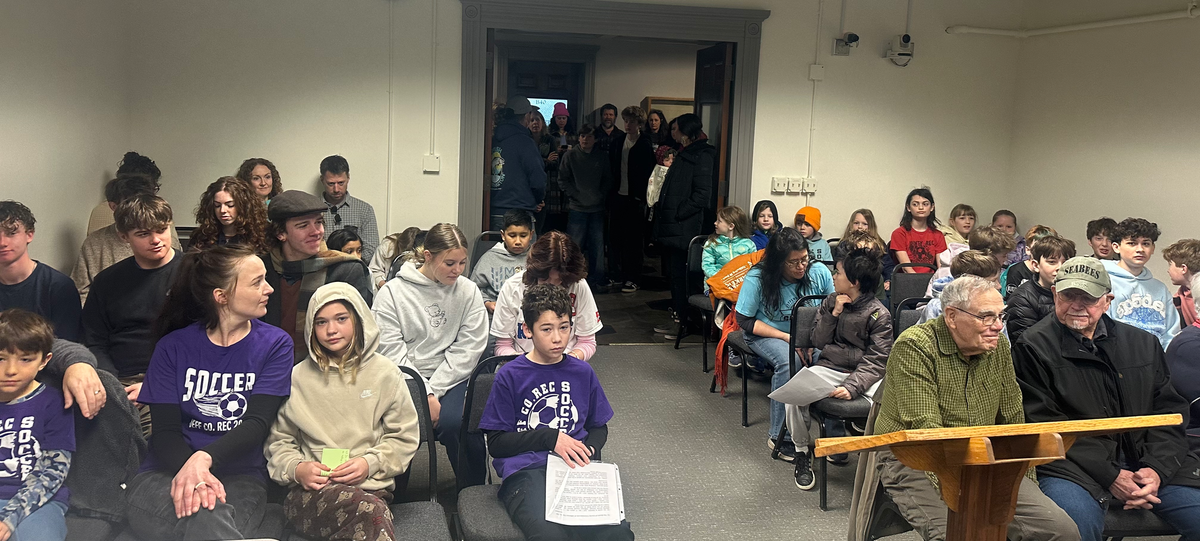
Belonging and community standards: Nhatt’s April article about the Victorian Festival was not just about a costume dispute. It asked who feels welcome in public traditions and how a community handles conflict over memory, symbolism and inclusion.
 Nhatt Nichols
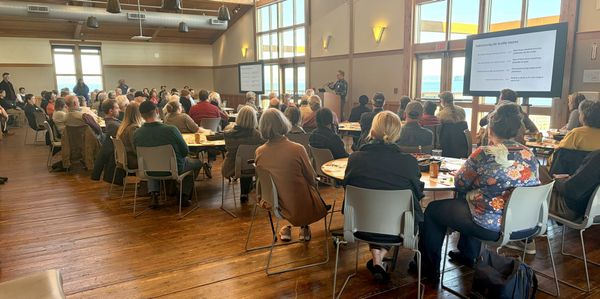
Government changing the way it listens: Rachael’s May article about the City Council’s Round Table workshop showed public engagement by design; not just people speaking at a meeting, but a meeting shaped so people could take part in different ways.
 Rachael Nutting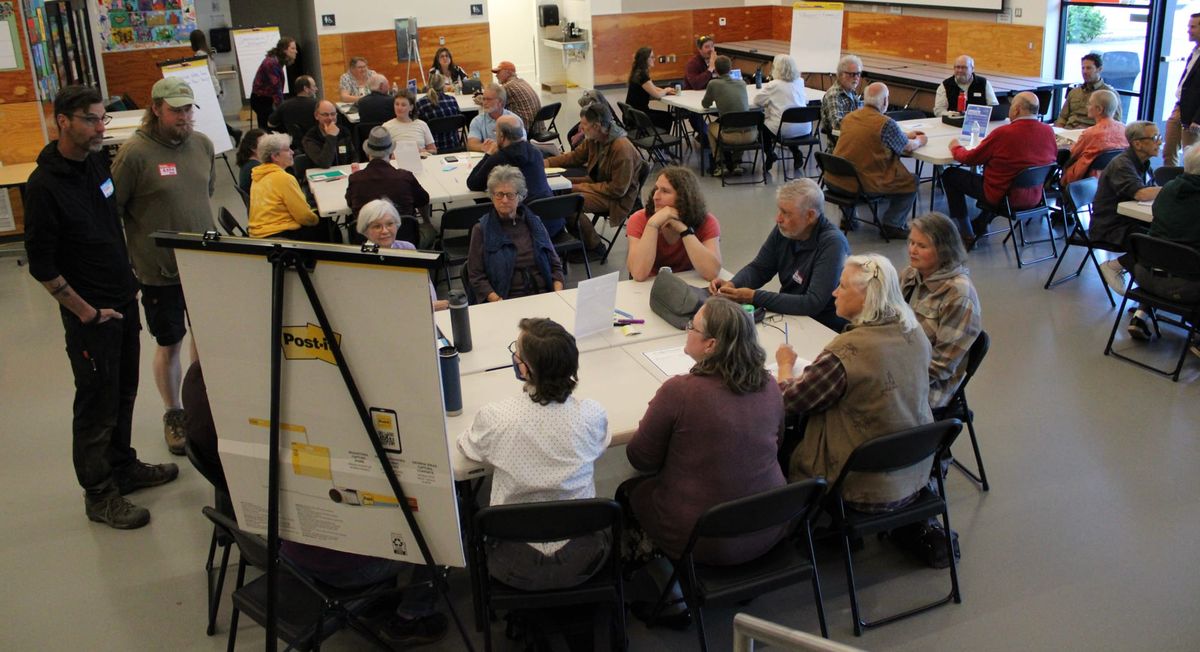
Transparency with consequences: Rachael’s June article about a public records request showed that transparency matters, but it is not simple. Open records support accountability, but public information can also be misused in ways that harm real people.
 Rachael Nutting
Together, these articles show a community as more than its official decisions. A community is also its rituals, arguments, discomforts, traditions and efforts to solve shared problems.
The Beacon is part of the community it covers
The nonprofit Beacon is engaged in those discussions, too. We’re not above the community or outside it. The Beacon, its staff and its board live in the community we cover. We’re one local institution helping residents understand others.
My review of this year’s work suggests the Beacon is moving in the right direction. There are still six months to go, and changes in editorial leadership are ahead. We’re preparing carefully.
I ask that you stick with us. Local journalism works only if the community uses it: Support local journalism, subscribe to the Beacon for free, share articles with your friends and neighbors, and ask questions of community leaders and of us.
Timely, credible, useful information is a public resource. Help your community pay attention.
–
Gary B. Larson is president and board chair of The Jefferson County Beacon.