Big Screen Views: ‘Pickpocket’ is a Wild Ride Through New York City
John Turturro plays an adept pickpocket whose trade is at odds with a changing world.

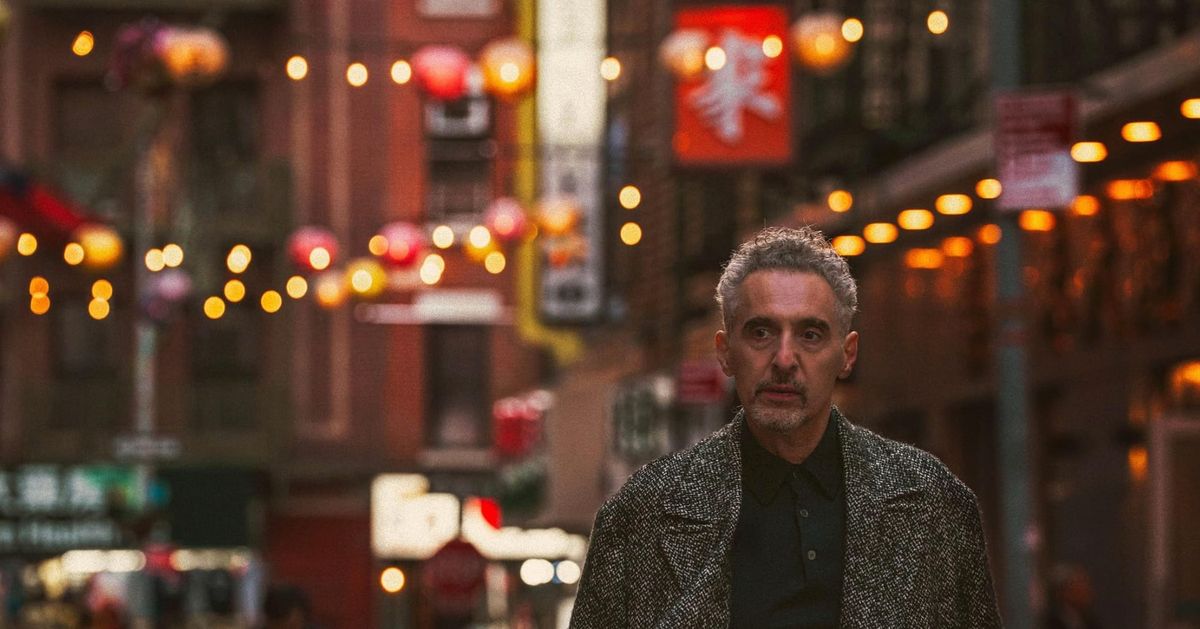
A few days after seeing “The Only Living Pickpocket in New York,” the sight of the central character’s face is still clear in my memory.
The brilliant John Turturro is Harry Lehman, a man who makes his living with his hands and his way with people. He’s an uncommon thief in a long tweed coat, a New York subway rider who lifts wallets from others’ pockets like he’s pouring himself a glass of red wine.
Harry inhabits one reality: the one fueled by cash and native intelligence. It’s a harsh world, this being Manhattan, yet Harry manages to soften its edges through his interactions with the people in his life. He has unmediated relationships with his pawnbroker (Steve Buscemi), a police detective (Giancarlo Esposito), a neighbor (Echaka Agba) and even a younger pickpocket (Rob Brown), whom he schools in the tricks of the trade.
At the center of Harry’s life is his wife Rosie (Karina Arroyave). Disabled and unresponsive, she depends on his care. He gives it generously.
Then, one day, Harry steals from a 20-something kid named Dylan (Will Price), who lives in a whole other reality. Because of a palm-sized USB drive Harry has lifted, the two men’s lives are entangled in an all-too-real cat-and-mouse tale.
In a slim hour and 28 minutes, “The Only Living Pickpocket in New York” brings us across the boroughs of the city, following Harry as he gets rid of the USB drive and then must find and return it.
Dylan, you see, is the scion of a crime family dealing in cryptocurrency. The USB drive is both a storage device and a symbol in a movie that kept me on pins and needles—and full of admiration for Turturro’s understated grace.
“Pickpocket” is not the kind of picture I typically go for. Crime, ruthlessness and cruelty are not what draw me into the movie theater. But following Harry through his analog world, watching how he seeks redemption for past sins: It’s a troubling yet ultimately satisfying cinematic journey.
Harry is one wily dude. He’s complicated, he’s polished, he’s old school. Yet like phone booths and VHS tapes, his world is disappearing.
“Are you familiar with the term ‘planned obsolescence’?” Harry is asked. It means “you have to throw it away,” it being various products, be they software, devices or other consumables.
Tragically, Dylan represents those who’ve been raised on such devices. He is unable to have so much as a pleasant conversation with a fellow human being.
Meanwhile, Harry does things like ask for directions—I’m talking about asking a stranger where a particular street is. The guy, of course, doesn’t carry a smartphone with Google Maps installed. Instead, Harry is a master at natural human interaction. He lives, despite all of the technology displacing those interactions, in an ecosystem where people rely on one another.
When Annie, his neighbor, helps him by watching over his wife while Harry is out, he thanks her and calls her a mensch.
“I’m just being a person,” she answers.
The film saves a revelatory conversation for last: Harry is face to face with Moira, a crime boss played superbly by Jamie Lee Curtis.
“The Only Living Pickpocket in New York” left me with a mind to throw away my iPhone—or at least start asking people for directions. It provided a vivid reminder of how much we need one another. It also reminded me to be careful, when amongst a crowd of people, of where I keep my wallet.