I Was Thinking . . . About Giving Thanks
Scott Rogers expresses gratitude.

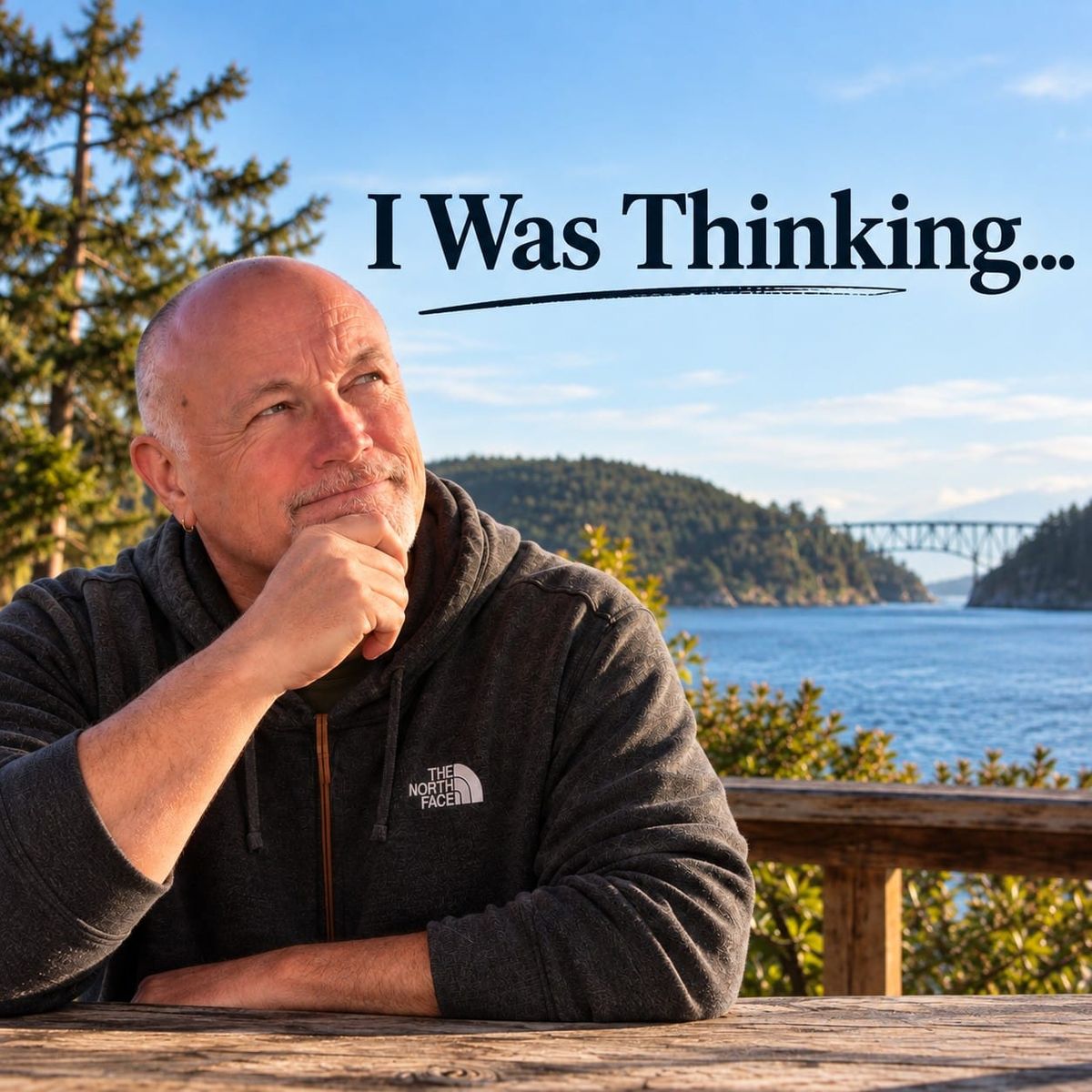
Since November is the month of Thanksgiving, I thought I’d jump on that bandwagon early.
It’s been a tough week. But in the middle of it, two people gave me reasons to be grateful. Both had to do with my writing, although what mattered most was what they brought to it.
The first told me that something I’d written encouraged them to step outside their comfort zone and apply for an opportunity they might otherwise have passed up. My suggestion that we need to step forward as community leaders had become, for this person, a call to action, and they stepped forward. They took a chance on themselves and on what they might contribute.
That meant a great deal to me.
I spend a fair amount of time on my soapbox about getting involved, advocating for what matters, and having a voice in our community. Sometimes I wonder whether any of it resonates. Here was someone telling me that it had.
If that person were the only one who read the article, I’d call it a success. And I’m grateful they took the time to tell me.
The second experience began with criticism.
A letter to the editor described an organization I’m involved with as a failure. My response was a question: How had we failed? Here are the measures by which our work is evaluated. Where had we fallen short?
After my reply, the original author wrote back with a series of questions—valid questions about the organization’s work and the information he needed to assess it.
That was the gratifying part. He had moved from a statement of failure to questions that invited conversation. My reply had helped open that door, and being part of that shift meant a great deal to me.
We hadn’t necessarily changed each other’s minds. But now we had something to explore together. I could better understand what he wanted to know, and his questions could help me see things I might have missed.
I don’t have all the answers. I have no doubt I can learn from him. And now, through conversation, we have an opportunity to learn from each other.
That’s another of my regular soapboxes: questions are so much more powerful than statements.
A statement can sound like the end of a discussion. A question gives us somewhere to go. How did you reach that conclusion? What are we missing? What would help us understand?
Of course, asking a question means being willing to hear the answer, even if it's not what we want.
There’s always more to learn, and everybody has something to teach us. We may listen carefully and still disagree, but we’ll know more than we did before.
So I’m grateful to both of these people. One reminded me that encouragement can lead someone to act. The other gave me an opportunity to listen and learn. Both encouraged me to keep writing, and to keep asking questions.
Years ago, Bay Area broadcaster Wes “Scoop” Nisker had a sign-off that has stayed with me: “If you don’t like the news, go out and make some of your own.”
I’ll pass that challenge along to my readers; all two of you.
If you don’t like what’s happening, get involved. Ask a question. Ask 100 questions. Apply for the position. Lend your voice, your hand, your heart. Work toward the change you want to see.
And to the two people who reminded me why that matters: thank you.